
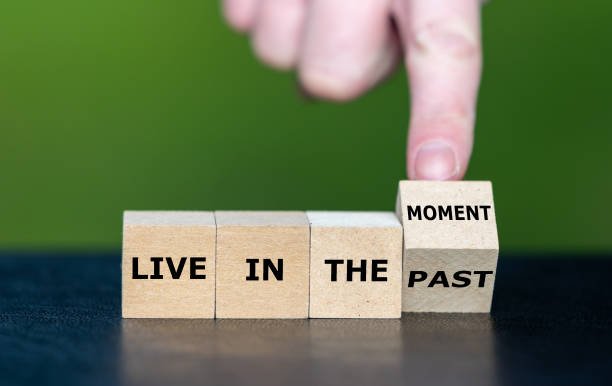
Knowing how to move forward from the past can sound simple when people say it out loud. They may tell you to accept what happened, focus on today, and stop looking back. But real life is rarely that clean. Sometimes you know the past is over while another part of you still wishes you could return to it.
You may miss a person, a home, a routine, or a version of yourself. You may remember a time when life felt safer or more familiar. You may even understand that going back would not solve everything, yet still wish you could experience those moments again.
If you are moving on from the past, you do not need to hate the past first. You can miss what was and still choose what comes next. Moving forward is not always about forgetting. Sometimes, it is about learning how to carry a memory without letting it decide where your life goes.
You Can Want the Past Back Without Truly Wanting It Back
Sometimes, when you say you want the past back, you may not mean that you want everything exactly as it was. You may want a feeling that existed during that time. Perhaps you felt loved. Maybe you had fewer responsibilities. Maybe you felt more hopeful about the future. You may miss the person you were before a difficult experience changed you.
The past can become especially attractive when the present feels uncertain. Your memory already knows how that chapter ended, while the future is still unknown. Familiarity can feel safer than uncertainty, even when the old situation was not perfect.
People can carry a quiet ache while moving through changes in relationships, homes, careers, and identities. Before deciding that you want your old life back, ask yourself what you actually miss.
| What You Miss | What It May Represent | What You Can Explore Now |
| A person | Connection | Meaningful relationships |
| An old home | Safety | Creating comfort now |
| A routine | Familiarity | Building new rituals |
| Your old self | Confidence | Recovering valued qualities |
The answer may show you that the past itself is not what you need. You may need something the past once gave you.
Remember That Your Memory May Show Only Part of the Story
When you feel nostalgic, your mind may naturally focus on meaningful moments. You remember the conversations that made you smile. You remember familiar places. You remember the feeling of being understood. But the past contained difficult moments too.
There were probably reasons why life changed. There may have been stress, disappointment, conflict, uncertainty, or problems that you no longer think about as often. This does not mean your good memories are false. They are real. But they are only part of the story.
It can help to remember the past with balance. You do not need to turn a beautiful chapter into a terrible one just so you can leave it behind. You also do not need to turn it into a perfect chapter that could never be matched. A memory can be beautiful without becoming a destination.
Let Yourself Grieve What You Cannot Recover
Moving on from the past does not mean forcing yourself to stop missing it. Sometimes, you need to acknowledge the loss before you can loosen your grip on it.
You may be grieving:
- A relationship that changed.
- A home that no longer exists.
- A friendship that faded.
- A younger version of yourself.
- A future you once expected.
- A time when life felt more familiar.
It focuses on losses that may not have a clear ending, including missing an old self or closed chapter. You do not need to convince yourself that the loss was unimportant.
- You can say, “I miss that.”
- You can say, “That mattered to me.”
- And then you can slowly add, “But I am here now.”
That is not betrayal of your past. It is acceptance of your present.
Stop Waiting for the Past to Give You a Different Ending
Sometimes, we keep looking backward because part of us hopes the story might somehow change. You may imagine what would happen if you had said something differently. You may replay a conversation. You may wonder whether another choice could have saved the relationship or changed your path.
These thoughts can keep you emotionally connected to an outcome that is no longer available. Reflective writing and “Letters to my past self” can help when you are navigating this emotional space. Writing can give those unfinished thoughts somewhere to go.
You might write a private letter saying everything you never said. You can describe what you miss, what hurt, what you learned, and what you wish had been different. You do not have to send it. The purpose is not to change the past. It is to stop carrying every unfinished sentence inside your present life.
Take What Still Belongs to You
Knowing how to move forward does not mean leaving every part of the past behind. Some parts deserve to come with you. Maybe the past taught you patience. Perhaps it showed you what kind of relationship you value. Maybe you discovered a love for writing, travel, music, nature, or quiet mornings during that period. You can keep those things. The past does not own everything you learned from it.
Ask yourself what qualities from that chapter still belong to you. Maybe you miss how curious you were. Maybe you enjoyed spending time alone. Perhaps you were more playful or more willing to try new things. You do not need to become your old self again. You can bring those qualities into the person you are now.
Make Your Present Feel Worth Staying For
Sometimes, moving forward becomes easier when the present starts feeling more meaningful. If your current life feels empty, the past will naturally seem brighter. That does not mean the past was actually better. It may simply mean that your present needs more attention. You can start small.
Create a morning that feels peaceful. Make your home more comfortable. Take a quiet walk. Spend time with someone who makes you feel understood. Return to an interest you forgot about.
It presents quiet spaces as a way to slow down and reconnect with yourself. It also emphasizes small moments rather than dramatic life resets. You do not need to build an entirely new life overnight. You only need to give your present a few reasons to feel like yours.
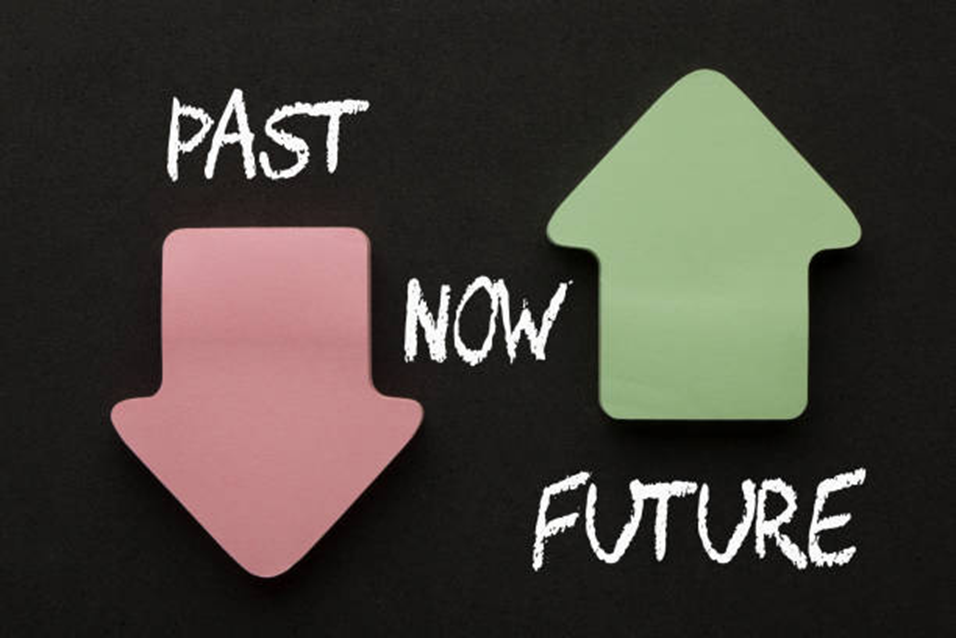
Small Ways to Move On From the Past
When part of you still wants the past back, large changes may feel overwhelming. You do not need a dramatic transformation. Small actions can create a sense of movement without forcing you to stop feeling what you feel. These small moments can help you notice your emotions instead of constantly escaping them.
You might begin by:
- Spending a few minutes without your phone.
- Writing about one memory that keeps returning.
- Taking a slow walk without headphones.
- Creating one new routine that belongs only to your present life.
- Letting yourself enjoy something without comparing it to the past.
These actions may seem small. That is the point. Moving forward is often built through ordinary moments rather than one perfect decision.
Learn to Sit With the Part of You That Still Looks Back
You may never completely lose the part of you that remembers. And perhaps you do not need to. There may always be a song that reminds you of someone. A place may bring back an old version of your life. A smell may take you back for a moment. These memories can appear without asking permission.
The goal is not to eliminate every memory. The goal is to change your relationship with it. Learning to sit with thoughts without immediately trying to solve them. It notes that not every thought needs an answer and not every feeling needs a solution. You can notice the memory. You can let yourself feel it. Then you can return to the present. That is a form of progress.
Let Moving Forward Be Gentle
There is no rule that says moving forward must look confident every day. Some days, you may feel ready for what comes next. Other days, you may want to return to what was familiar. Neither feeling makes you weak.
You do not have to fight yourself into acceptance. You can be gentle with the part of you that still looks backward. Maybe it is not asking to return. Maybe it is simply asking you to remember. You can remember without going back. You can love what was without abandoning what is.
Honoring What You Still Miss
Moving on from the past does not always mean reaching a point where you no longer miss anything. Sometimes, a part of you will still wish that a certain chapter had continued. You may miss a person, a place, a routine, or a version of yourself. That does not mean you are stuck.
You can honor that past without returning to it. You can remember the good without rewriting the difficult parts. You can grieve what ended while creating something meaningful now. And you can let the part of you that still looks backward exist without allowing it to control your direction. Moving forward is not always a clean goodbye. Sometimes, it is simply turning toward today while carrying yesterday more gently.
A gentle note: this article shares personal reflection, not professional medical or mental-health advice. If you are struggling, please reach out to a qualified professional. In India you can call Tele-MANAS at 14416, or find a helpline in your country at findahelpline.com.