

Rest sounds simple. You stop working. You sit down. You watch something. You scroll for a while. You check messages. You tell yourself that you are finally relaxing. But sometimes, you finish your “rest” and feel just as tired. Maybe even more tired. That can be confusing. If you were not working, why do you still feel drained? The answer may be found in the difference between rest and escape. Rest gives your mind and body space to soften. Escape keeps you busy enough to avoid what you may be feeling.
The two can look almost identical from the outside. Inside, they can feel very different. This can leave a person tired in ways that sleep alone may not fix. Understanding the difference can change how you spend your quiet moments.
What Does Real Rest Actually Feel Like?
Rest is not simply the absence of work. You can stop working and still feel mentally busy. You can sit on the sofa while your mind jumps between messages, videos, worries, and unfinished tasks. Your body may be still, but your attention is still moving. Real rest creates some room inside that movement. It may look very ordinary. You sit beside a window. You take a slow walk. You eat without rushing. You spend ten minutes with no plan. You let a thought pass without chasing it.
It presents rest as sitting quietly, taking a slow morning, enjoying a quiet meal, walking gently, and having moments where you do not need to perform for anyone. Rest does not always feel exciting. That is part of its value. You are not looking for another source of stimulation. You are giving yourself permission to stop.
What Is Escape?
Escape is different. Escape often happens when we want distance from something inside us. Maybe you feel stressed. Maybe you feel lonely. Maybe you are worried about something. Maybe you are uncomfortable with your own thoughts. Instead of sitting with that feeling, you reach for something that changes your attention.
- You scroll.
- You watch another video.
- You check messages.
- You read random content.
- You keep yourself occupied.
There is nothing automatically wrong with these activities. Entertainment can be enjoyable. Connection can be meaningful. Reading can be relaxing. The difference is often why you are doing it.
Put clearly: keeping a phone in hand during every spare moment and filling every pause with something to watch, scroll, or read may look like rest while actually functioning as escape.
Escape says, “I need to get away from this feeling.”
Rest says, “I can give myself space without running.”

Rest vs Escape: What Is the Difference?
The difference is not always about the activity itself. The same activity can be rest one day and escape another day. Watching a movie can be a genuine rest. But if you keep watching one episode after another because you do not want to think about something, the experience may be closer to escape.
Your reason has.
| Rest | Escape |
| Helps you soften | Keeps you distracted |
| Creates space | Fills every gap |
| Lets you notice yourself | Helps you avoid yourself |
| Can leave you refreshed | Can leave you mentally full |
| Does not require constant stimulation | Often depends on constant input |
| Allows feelings to exist | Pushes feelings away |
This is why simply asking, “Am I doing nothing?” is not enough. A better question is:
“What is this doing for me?”
If the answer is that it helps you feel present, comfortable, and less pressured, you may be resting. If the answer is that it helps you avoid something you do not want to feel, you may be escaping. There is no need to judge yourself for either answer. Awareness comes first.
Why Can Escape Feel Like Rest?
Escape can be very convincing. It feels good to stop thinking about something difficult. A funny video can change your mood. A busy feed can keep your mind occupied. A long conversation can make loneliness feel less noticeable. For a while, that can feel like relief. The problem comes when distraction becomes the only way you know how to feel okay. Underneath it, however, a person may still be spending energy trying not to feel what is already there.
That effort can be exhausting. Sometimes the mind needs rest because it has been working in ways that are difficult to see. You may have been managing how you appear to others. You may have been staying available all day. You may have been carrying worries without naming them. This is a kind of invisible labor. Even when nothing looks difficult from the outside, constantly managing thoughts, emotions, and expectations can use energy. That is why sitting down may not immediately feel restful. Your body stopped. Your mind did not.
Notice What Happens When the Noise Stops
One of the clearest ways to understand rest versus escape is to notice what happens when the distractions disappear. Imagine you put your phone away. The room becomes quiet. At first, you may feel bored. Then a thought appears. Maybe it is about tomorrow. Maybe it is about something someone said. Maybe it is a feeling you have been avoiding. You may suddenly want to pick up your phone again. That urge can tell you something.
It may mean you need entertainment. But it may also mean that stillness has brought you closer to something uncomfortable. When distractions disappear, thoughts and feelings that were hidden by constant activity can become easier to notice. That does not mean every difficult feeling needs to be solved. Sometimes it simply needs to be noticed.
You can ask yourself:
- What am I feeling right now?
- What was I hoping to avoid?
- Do I feel more settled after this activity?
- Am I choosing this, or am I reaching for it automatically?
- What would feel kind right now?
These questions are not meant to turn rest into work. They are meant to help you recognize what you need.
Doing Nothing Can Still Be Rest
Many people feel guilty when they are not being productive. They think rest should have a purpose. Maybe they should exercise. Learn something. Clean the house. Read a useful book. Plan tomorrow. Improve themselves. Then even rest becomes another task. But doing nothing can be meaningful.
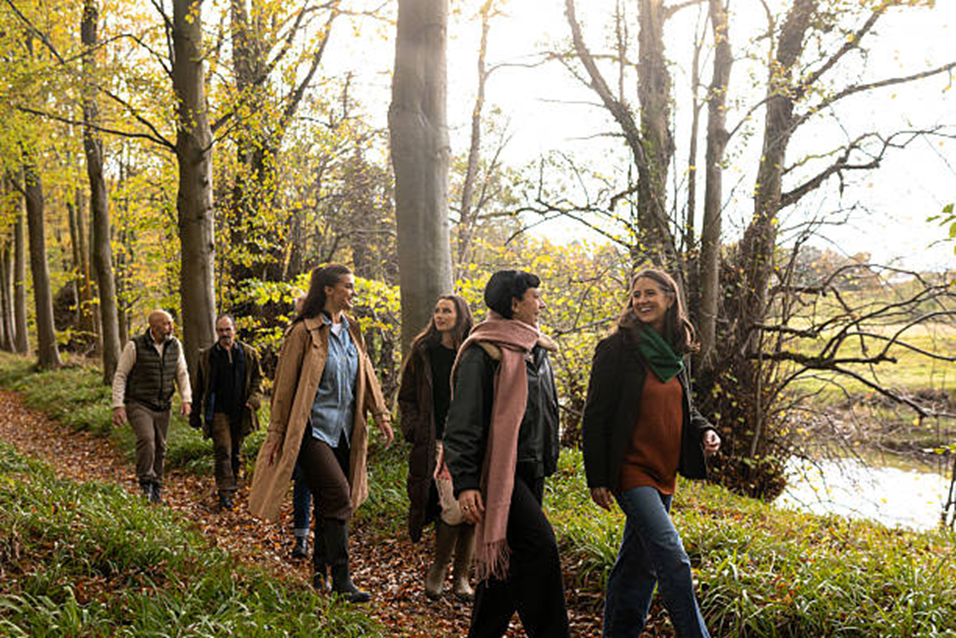
You can sit quietly for ten minutes. You can drink water slowly. You can look through a window. You can take a gentle walk without turning it into a fitness goal.
It includes moments with no plan, quiet meals, slow mornings, and simply allowing yourself to stop performing.
| If you feel… | You might try… | The aim |
| Mentally crowded | Sit quietly | Create space |
| Tired from people | Spend time alone | Stop performing |
| Overstimulated | Put your phone away | Reduce input |
| Restless | Take a slow walk | Let attention settle |
| Emotionally full | Write a few thoughts | Notice what feels heavy |
None of these activities needs to produce a result. That is important. Rest does not need to prove that it was worthwhile.
How Do You Move From Escape Toward Real Rest?
You do not need to stop using entertainment. You do not need to delete every app. You do not need to spend your evenings in complete silence. The goal is simply to create a little more choice. Next time you reach for your phone during a quiet moment, pause for a few seconds. Ask yourself what you actually want. Maybe you want a connection. Send a message to someone you care about. Maybe you want entertainment. Watch something and enjoy it without guilt. Maybe you are tired. Put the phone down and rest.
Maybe you are uncomfortable. Stay with that feeling for a moment instead of immediately covering it. When feeling mentally exhausted, it suggests beginning small rather than forcing a dramatic reset: put the phone away, breathe, notice what feels heavy, and allow silence to be awkward without rushing to fix it. This is not about becoming perfect at resting. It is about becoming more honest.
Give Yourself Permission to Rest Without Earning It
Sometimes the hardest part of rest is guilt. You may believe you should have done more before you are allowed to stop. You may compare yourself with people who seem more productive. You may feel that sitting still means falling behind. But rest is not a reward for being productive enough. There is relief that can come from no longer feeling the need to be endlessly available, inspiring, or productive to deserve a softer life.
You can pause because you are tired. You can stop because you need space. You can have an evening with no achievement attached to it. That does not make you lazy. It makes room for you to notice what is happening inside. And sometimes, that is exactly what tiredness has been asking for.
Choosing Rest Over Escape
The difference between rest and escape is often hidden beneath the activity. Watching a movie can be a rest. Scrolling can be restful. Talking with someone can be a rest. Even doing nothing can be a rest. But these same things can escape when they are used only to avoid what we feel. Real rest gives you room. Escape keeps you running, even when your body has stopped. You do not need to judge yourself when you notice the difference. You only need to become curious. Ask what you need.
- Maybe you need entertainment.
- Maybe you need connection.
- Maybe you need quiet.
- Maybe you simply need permission to stop.
It offers a gentle way to see exhaustion: not always as proof that something is wrong, but sometimes as a message asking for less noise, more gentleness, and a slower rhythm. You do not have to earn rest. Sometimes, the most honest form of rest is simply putting everything down for a moment, and staying there.
A gentle note: this article shares personal reflection, not professional medical or mental-health advice. If you are struggling, please reach out to a qualified professional. In India you can call Tele-MANAS at 14416, or find a helpline in your country at findahelpline.com.